Skip to content

SHOP ONLINE or CALL 📞 1300 246 406 | MON - FRI 7AM - 5PM

SHOP ONLINE or CALL 📞 1300 246 406 | MON - FRI 7AM - 5PM

Saws

Scintex is proud to offer Paddock construction equipment to the Australian market. This industrial grade equipment is optioned up with high end componentry designed for hard Australian working conditions. Favoured by equipment hire rental companies due to its heavy duty construction and Honda reliability, Paddock will not disappoint.

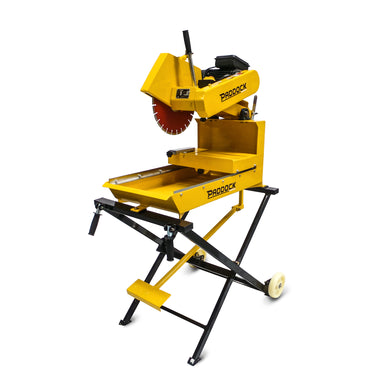
Our range of brick and concrete saws includes the brick table saw. Available in 2 options including the Honda GX160 Engine model and the 2.4 Volt electric model these units are fitted with 14" blades cutting to depths of 125mm. Suitable for heavy cutting work with commercial reliability and an abundance of features.

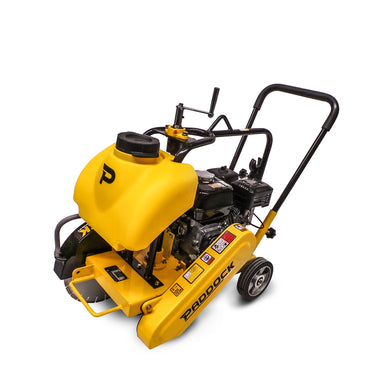
We also stock the Honda petrol concrete saw with 3 available options including the 350mm 5.5hp, 500mm, 13hp and 650mm 22hp models. Ideal for slicing through slabs, footpaths, driveways and much more. They feature extremely stiff, highly ridge box steel frames so don't compromise on quality when you need to get the job done.

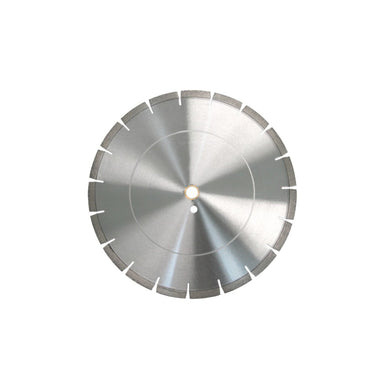
Also available online are various blades from 300mm concrete blades, brick blades and asphalt blades for all your requirements.

The right saw depends entirely on the material you're cutting. Chainsaws are designed for timber, circular saws excel at straight cuts through timber and sheet products, while cut-off saws are built for masonry, steel and concrete. Using the correct saw improves cutting speed, produces a cleaner finish and significantly extends blade life.
Premature blade wear is usually caused by cutting unsuitable materials, striking dirt, nails or rocks, overheating through excessive feed pressure, or using the wrong blade type. Choosing the correct blade and allowing the saw to cut at its own pace will often double the usable blade life.
Not necessarily. Oversized saws are heavier, consume more fuel or power and can be harder to control. Selecting a saw that matches the size and frequency of your work generally produces better results and reduces operator fatigue.
Quality blades can normally be sharpened several times provided the teeth are not cracked, badly chipped or excessively worn. Once sharpening can no longer restore the correct tooth profile, replacement is usually the better long-term option.
Keeping blades sharp, cleaning air filters, checking lubrication systems, maintaining correct chain or blade tension and replacing worn drive components before they fail will dramatically improve reliability and reduce operating costs.