Skip to content

SHOP ONLINE or CALL 📞 1300 246 406 | MON - FRI 7AM - 5PM

SHOP ONLINE or CALL 📞 1300 246 406 | MON - FRI 7AM - 5PM

Pump Flow Meters

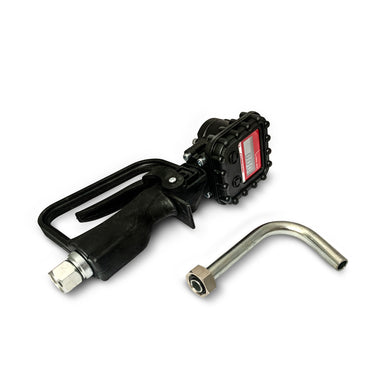
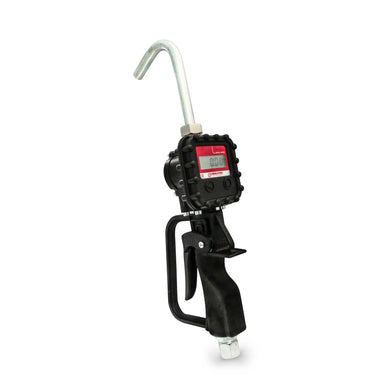
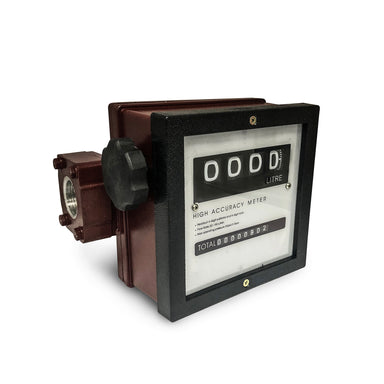
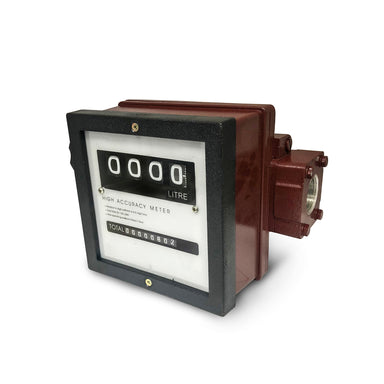
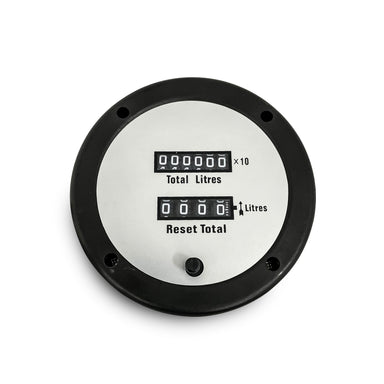
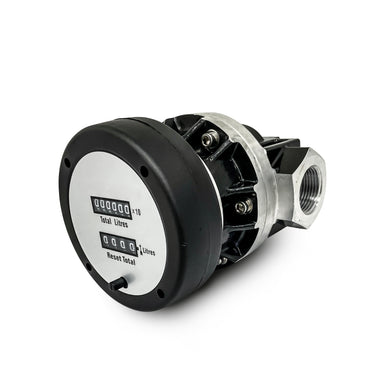
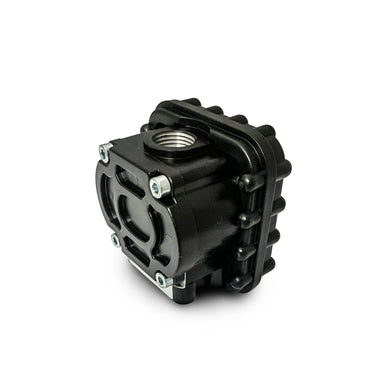
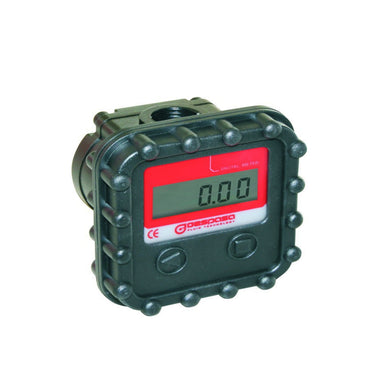
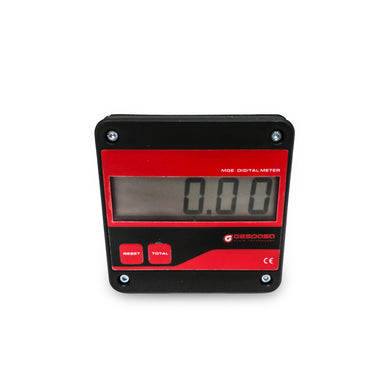
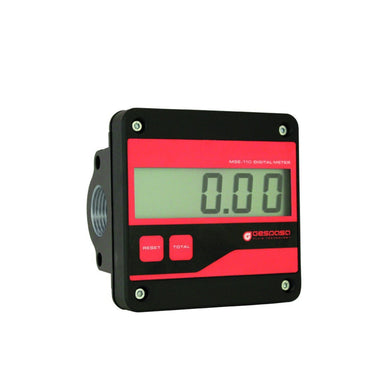
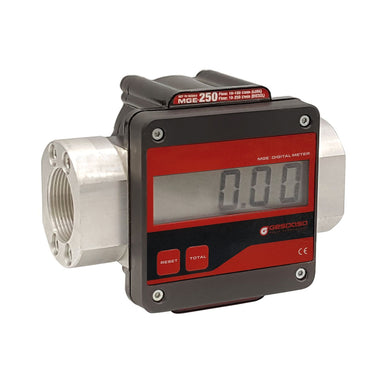
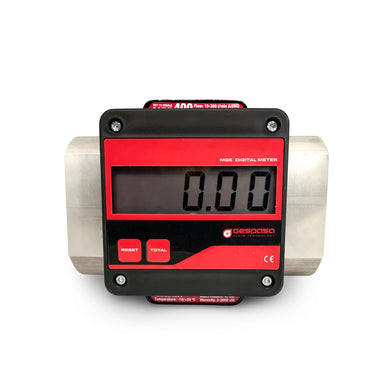
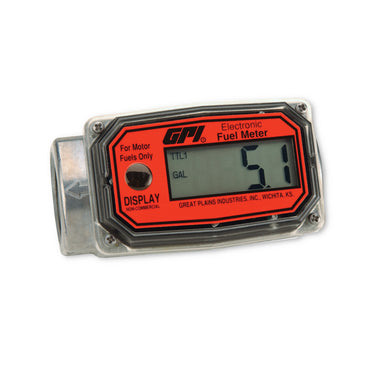
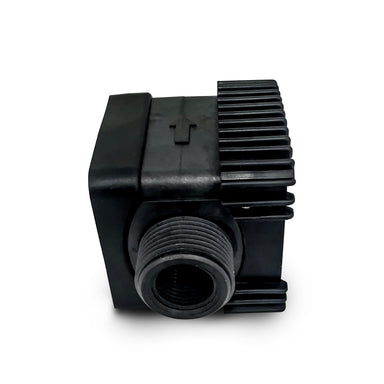
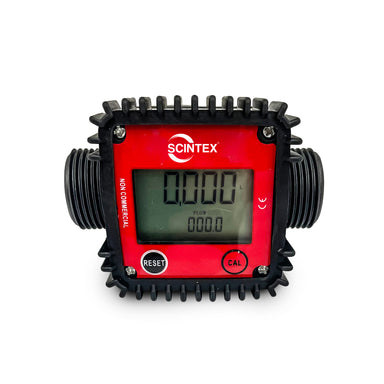
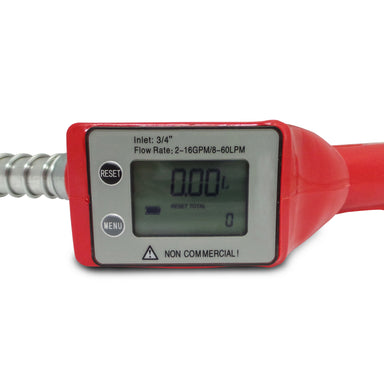
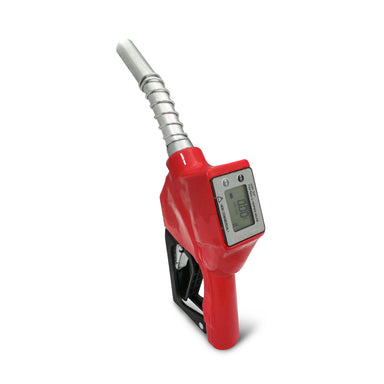
Flow meters for measuring fuel flow from transfer pumps. Analogue and digital options. Flow rates handled by the meters can varying and go as high as 200LPM. All flow meters have BSP female inlets which can be easily coupled to your pump using pipe fittings. Suitable for measuring flows and totals for diesel, petrol, oils and water. Several flow meters offer a fuel nozzle with inbuilt flow meter for convenience. This also allows you to get a direct total of fuel added to your vehicle or machinery tank as you fill it. For measuring the fuel consumption or usage of engines please see our fuel flow usage meters.
Match the meter to the fluid, expected minimum and maximum flow, line size, working pressure, temperature and required accuracy. Also consider whether the meter is mechanical, digital, turbine, oval-gear or another type, as each design has different viscosity, cleanliness and installation requirements. Select a model whose normal operating range covers the expected flow.
Most flow meters have a marked flow direction and may require a particular horizontal or vertical orientation for accurate measurement. Incorrect installation can create reading errors, air entrapment or internal wear. Follow the product instructions for straight pipe lengths, valve location, filter requirements and whether the display can be rotated.
Yes, periodic calibration or verification may be needed where accurate dispensing, billing or process control is important. Accuracy can change through wear, contamination, fluid viscosity or installation effects. Compare readings against a known volume or approved reference method and follow the manufacturer’s adjustment procedure rather than altering the meter arbitrarily.
Air in the line, pulsating pump output, flow below the meter’s minimum range, dirty or damaged internals, incorrect fluid viscosity, poor grounding or electrical interference can affect readings. Restrictions and partially filled pipes also create errors. Check installation conditions and fluid supply before assuming the meter itself has failed.
Keep the fluid clean using a compatible upstream strainer where recommended, inspect seals and connections for leaks and avoid pressure or flow beyond the meter rating. Flush residues after compatible chemicals, protect electronic displays and wiring from moisture and replace batteries as specified. Never dismantle a calibrated meter without following the service instructions.